
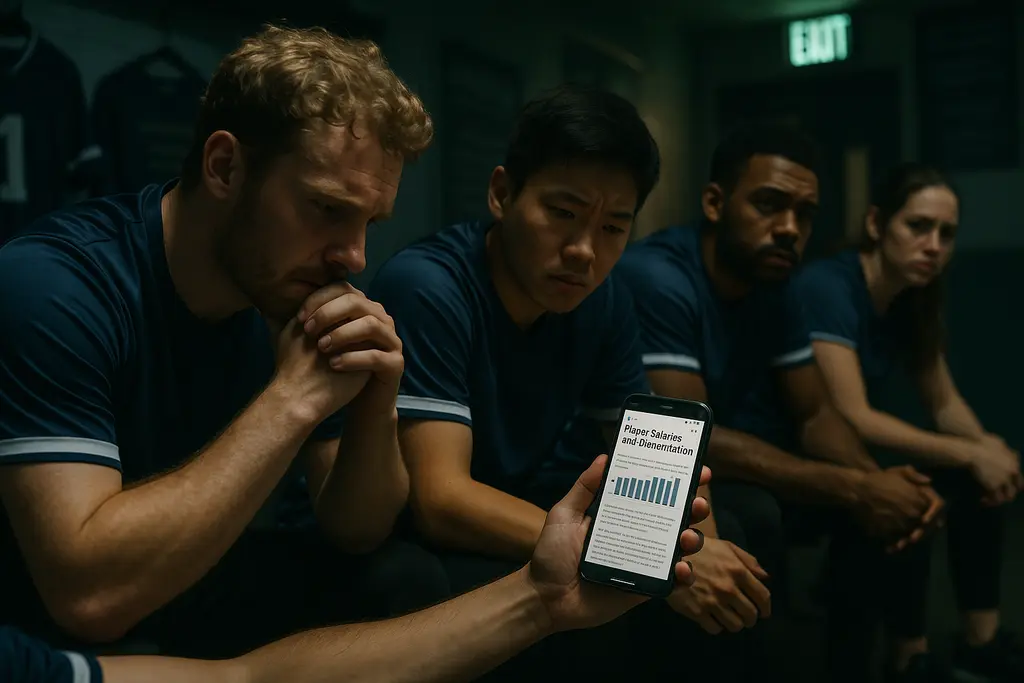
Player Discontent is no longer just a comment-section mood around free-to-play games. In 2026, the clearest evidence points to a more specific pressure point: a small share of players, including younger users, carries a large share of in-game spending while review complaints keep circling back to prices, pay-to-win concerns, and repeated purchase prompts.
The strongest caution flag comes from research published on August 21, 2026, which found that 10% of adolescent gamers aged 10 to 19 accounted for 61.4% of all in-game purchase spending in the study sample; the same paper reported higher prevalence of gaming disorder among heavy spenders, at 14.1%, compared with 4.2% among casual spenders, and also found higher gambling disorder prevalence among heavy spenders Frontiers research. That does not mean every microtransaction is harmful. It does mean any 2026 strategy guide for studios, publishers, and players has to treat spending concentration as a consumer-risk issue, not just a revenue model.
A separate July 2026 review analysis of about 7,500 player reviews across the top-grossing 50 mobile games in the United States found that monetization appeared among the top five complaints in 70% of those games, while gameplay received praise in 98% of them mobile review analysis. That split matters. Players may still like the core game, yet reject the way the game asks for money.
Why Player Discontent Is Harder To Ignore
Spending Concentration Raises Consumer Risk
For years, the industry has had a practical reason to focus on high spenders: they can support live service operations even when most players spend little or nothing. The 2026 adolescent spending data makes that trade-off harder to frame as a neutral business choice. If a small group is responsible for most purchase volume, the design of offers, currencies, cooldowns, bundles, and reward timing deserves closer scrutiny.
This is especially sensitive for games with younger audiences. The Frontiers paper is about adolescents aged 10 to 19, not the entire gaming population. That limit matters. Still, its findings are relevant because youth-focused and all-ages games often use the same tools seen across the broader market: limited-time offers, cosmetic stores, progression boosts, and in-game currencies that separate the purchase from the real-money price.
For studios, the safer strategic reading is not “remove every optional purchase.” It is to ask whether spending systems depend on a small group making repeat purchases under pressure. If the answer is yes, the model may be profitable while still building long-term distrust.
Player Discontent Signals In Reviews
The July 2026 mobile review data points to a useful distinction: players can praise gameplay and still criticize monetization. That is not a contradiction. It often means the underlying game loop works, but the purchase layer changes how fair the experience feels.
Review complaints around pay-to-win design, high-priced in-app purchases, and forced spending should be read as early warning signals. A game does not need to sell direct power in the most obvious form to trigger fairness concerns. If progression slows sharply after an early period, if matchmaking appears to reward spenders, or if core convenience is tied to payment, players may read the system as coercive even when the publisher describes purchases as optional.
Player Discontent also spreads unevenly. A small but vocal group can shape store-page perception, Discord conversation, and creator coverage. That does not make every complaint accurate, but it makes complaint patterns worth measuring before they become a launch or update problem.
What Studios Can Change Without Guesswork
Price The Offer Before The Funnel
The most practical change is also the least dramatic: price offers in a way that makes sense without relying on confusion. If a bundle only looks reasonable because the game uses multiple currencies, rotating discounts, or unclear “value” labels, that bundle is carrying trust risk.
Studios can audit monetization by asking three basic questions before a feature ships:
- Can players understand the real-money cost quickly? If not, the design may create friction that benefits spending but weakens trust.
- Does payment affect competitive fairness or progression speed? If yes, players need plain disclosure before they invest time.
- Would the same offer feel fair after 30 days? Short-term conversion can hide fatigue until reviews and retention expose it.
This is where player-first monetization becomes a practical retention tool. A model that earns less from pressure may earn more from repeat goodwill, especially in genres where players move quickly between games. We have covered related loyalty risks in game monetization that keeps players loyal, where transparency and satisfaction matter as much as price.
Separate Progression From Pressure
Progression is where many complaints become sharper. Cosmetic stores can still create frustration, but paid progression changes how players judge time investment. If the unpaid path feels deliberately slow, the purchase no longer feels like an optional shortcut. It starts to look like the intended path.
A cautious studio strategy is to protect the base experience first, then add paid layers around identity, collection, or clearly optional convenience. That does not remove all criticism. Some players reject any monetization beyond the purchase price. But it lowers the chance that spending becomes the answer to every friction point.
Battle passes, rotating shops, and limited offers also need restraint. None of these systems is automatically abusive. The risk rises when they stack together: daily log-ins, expiring rewards, paid skips, and store rotations can turn a game session into a checklist of spending prompts. In a market where Player Discontent is already visible in review data, piling on small pressures can make even a good game feel tiring.
How Players Can Read Monetization In 2026

Watch For Repeated Spending Triggers
Players do not need a finance spreadsheet to judge a game’s monetization, but a few habits help. Before spending, check whether the game shows clear real-money costs, whether rewards expire, and whether progress slows after the opening hours. A fair system should still feel understandable after the first purchase, not just before it.
It is also worth separating enjoyment from spending momentum. If a game is fun only when a player keeps buying boosts, bundles, or skips, the price of the game is not the advertised entry cost. It is the repeated spend needed to keep the experience comfortable.
Use Friction As A Personal Safety Tool
Spending friction can protect players. Turning off one-tap purchases, setting platform-level limits, and waiting a day before buying limited-time items are small steps that reduce impulse spending. These tools matter more for households with younger players, where a parent or guardian may not see every prompt inside the game.
Budgeting also works better when game purchases are separated from hardware, subscriptions, and platform fees. Players comparing broader gaming costs can find related coverage at Cooler Master Gaming, which offers insights into managing gaming expenses, but in-game purchases deserve their own line because they repeat more easily than a one-time peripheral purchase.
None of this requires players to reject free-to-play games. Many of them offer strong entertainment value without payment. The key is to treat the store as part of the design, not as a neutral menu outside the game.
Player Discontent In 2026 Monetization
A Cautious Read On The Trend
The evidence available on September 4, 2026 supports a cautious read: monetization complaints are not just noise, and spending concentration is not just a business metric. The strongest supported facts show that a small share of adolescent players can account for a majority of in-game purchase spending, and that monetization appears frequently in review complaints for top-grossing mobile games.
That does not prove every paid cosmetic, battle pass, or in-app purchase is harmful. It does suggest that monetization strategy in 2026 has to be judged by more than conversion rate. Fair pricing, clear disclosure, non-punitive progression, and fewer pressure loops are becoming practical safeguards for trust.
Player Discontent is best understood as feedback on the relationship between time, money, and fairness. Studios that treat it as a design signal may avoid sharper backlash. Players who treat monetization as part of the game’s rules can make cleaner decisions about where their time and money go.