
Overwatch Anniversary rewards changed sharply during the 10th Anniversary event that ran from May 12 to June 1, 2026. Blizzard moved the event toward weekly challenge pacing, loot box earning, shared global progress, and account-age recognition. Since the event had already ended by October 5, 2026, the useful question is not whether players should participate, but what the structure showed about Blizzard’s approach to reward value, grind pressure, and community response.
The headline was simple: more earnable rewards were placed in front of active players, but the time requirement still mattered. Blizzard said the event offered 15 Anniversary Loot Boxes across three weeks, with five available each week, no duplicates among those boxes, and a special Week 3 10-Year Anniversary Loot Box guaranteed to include four Legendary skins. The official post also said the full event guaranteed 10 Legendary skins and required 60 completed games to earn all 15 boxes, with wins counting as double progress Blizzard’s event breakdown.
That mix created a more generous visible reward track than a purely store-led celebration would have offered, but it also tied the best outcomes to regular play during a fixed three-week window. For players with flexible schedules, the structure likely felt direct: play matches, fill weekly progress, open boxes. For players with limited time, the event still carried a clear attendance cost.
What Changed In Overwatch Anniversary Rewards
Overwatch Anniversary Rewards At A Glance
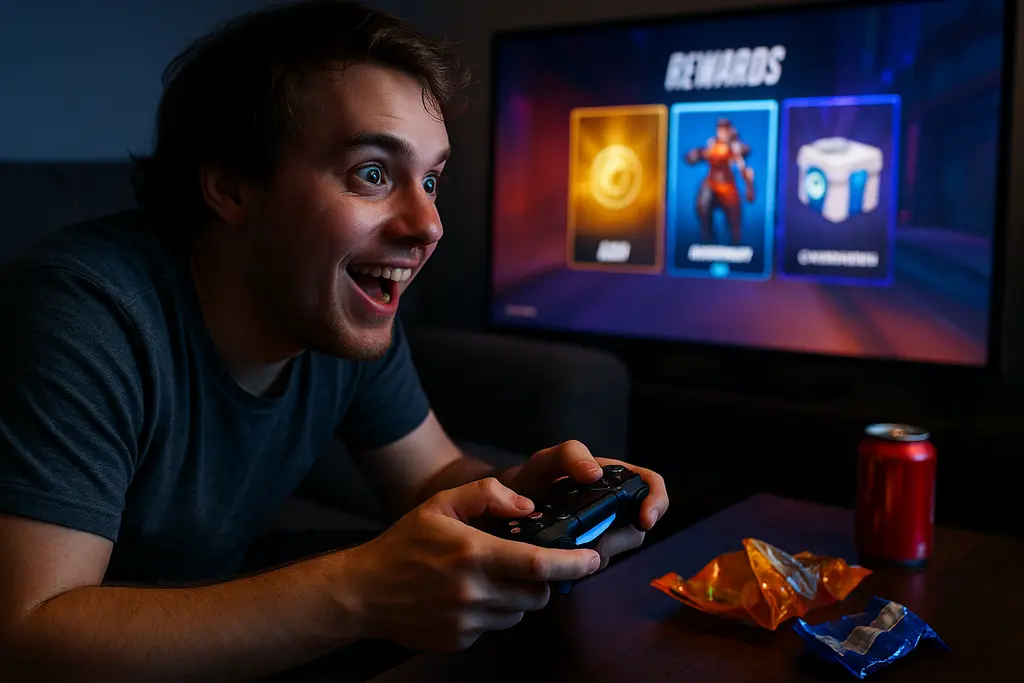
The most visible change was the return of loot box-centered event earning, framed through weekly goals rather than a single long checklist. Each week had five Anniversary Loot Boxes available, making the event easier to parse than a structure where all rewards sit behind one large wall of progression. The no-duplicate point also mattered because it reduced one of the common frustrations tied to randomized rewards: spending time and receiving a repeated cosmetic instead of fresh value.
From a player-value angle, the guaranteed Legendary skin count was the main signal. A total of 10 guaranteed Legendary skins across the event gave the celebration a clearer reward floor. Randomized boxes still raise consumer-awareness concerns because players do not choose every item directly, but guaranteed outcomes reduce some uncertainty. The Week 3 box, with four guaranteed Legendary skins, was the strongest example of Blizzard trying to make the anniversary feel materially different from a routine event reward track.
The Weekly Format Reduced Confusion But Kept Pressure
The weekly split also shaped behavior. Five boxes per week made the target easier to plan around, but it created pressure for players who missed a week. The full 60-game requirement over the event was not vague; players could estimate the time commitment before deciding how much effort to spend. Wins counting as double progress softened the requirement for stronger or coordinated players, though it did not remove the baseline need to play a meaningful number of matches.
This is where the design sat in a middle position. The structure was more transparent than a hidden-drop approach, yet still leaned on limited-time engagement. For competitive and casual players alike, the best practical read was to treat weekly progress as the real unit of planning. Waiting until late in the event would have made the reward path feel more like a chore than a celebration.
How The Loot Box And Global Progress Model Worked
Shared Progress Changed The Social Incentive
The event also used shared global progress through a community lootbox charge system. Blizzard adjusted that system during the event so weeks 2 and 3 saw doubled and tripled global loot box rewards. That change made the event less dependent on only individual completion and gave the broader player base a shared target. It also gave Blizzard a way to respond to pacing without fully rebuilding the event.
For Overwatch Anniversary rewards, shared progress had two effects. First, it gave players a reason to care about activity beyond their own account. Second, it created a perception that the event could become more rewarding as community participation grew. That is useful live-service design, but it has to be handled carefully. If global rewards feel too slow, players can read the system as stingy. If rewards accelerate too sharply, early effort can feel poorly timed. The doubling and tripling in weeks 2 and 3 suggested Blizzard recognized the initial pacing needed help.
Random Rewards Still Need Clear Guardrails
Loot boxes remain a sensitive reward format because players may value cosmetics differently and because randomization can make effort feel uneven. In this case, the no-duplicate promise and Legendary guarantees gave players stronger guardrails than a basic randomized pool. That did not turn the system into direct cosmetic selection, but it made the risk easier to understand.
The practical player advice after the event is to judge future anniversary-style reward tracks by three questions: whether duplicates are blocked, whether high-rarity rewards are guaranteed, and how much match volume is required. If those three points are visible up front, players can make better choices about their time. Coverage from related gaming sites often tracks these player-value questions because reward design now affects how people experience live games as much as balance patches do. A notable example is Cooler Master Gaming, which frequently explores these dynamics.
Player Titles And The Grind Question
The Title Track Became The Friction Point
The biggest tension around Overwatch Anniversary rewards was not only the loot box count. It was the challenge requirement attached to player titles. The research notes show the original title thresholds were 24 challenges for a Rare title, 36 for an Epic title, and 48 for a Legendary title. GamesRadar also reported that Overwatch director Aaron Keller agreed the 10th anniversary felt disappointing to some players and said celebrations would continue through the year GamesRadar’s report.
That context matters because titles are status rewards, not just collection filler. A Legendary title asks players to accept a higher grind because the reward signals unusual commitment. The problem is that a celebration event can feel worse when the rarest reward demands too much concentrated play. A demanding title can work if it feels aspirational. It becomes a pressure point when players see it as a schedule test rather than a skill or loyalty marker.
The Later Requirement Change Showed A Course Correction
The research notes state that Blizzard later lowered the Legendary title requirement from 48 challenges to 38 challenges and extended the deadline to the end of Season 2. That change was a meaningful course correction. A 10-challenge reduction did not remove the grind, but it changed the reward from a narrow three-week commitment into a more reachable target for players who had already invested time.
The notes also state that players who had completed the original 48 challenges were set to receive a special “Double Table Flip” title in a future patch. That was a smart compensation idea in principle because it avoided punishing the most committed players after the requirement dropped. Without that type of recognition, early completers can feel as if their time was devalued. The caution is that compensation titles need to be delivered clearly and on schedule, because delayed make-good rewards can become a second point of frustration.
Account-Age Rewards And Player Value

Recognition Worked Differently From Match Grind
Beyond match-based goals, Blizzard used login rewards tied to account age. The event recognized 1, 3, 5, 7, and 10 years of play with themed icons, sprays, and name cards. This was a different type of reward logic. Instead of asking players to grind during the event window, it acknowledged account history. For long-time players, that kind of recognition can feel more personal than another checklist reward.
Account-age cosmetics also avoid some of the friction tied to loot boxes. They are not randomized in the same way, and they do not require a specific number of completed games during a short period. The tradeoff is that newer players cannot earn older milestones immediately, so these rewards are more about recognition than equal access. That is usually acceptable if the cosmetics are framed as commemorative rather than power-linked or essential.
What Future Events Should Preserve
The best parts of the 10th Anniversary structure were the clear reward floor and the split between active-play rewards and account-recognition rewards. Future events would benefit from keeping guaranteed high-rarity items, blocking duplicates in event-earned boxes, and stating match requirements plainly. Those choices help players decide how much time to spend without relying on vague hope.
The weaker part was the initial title grind. A rare title can be demanding, but the target has to fit the event length. If the reward is presented as part of a celebration, the requirement should not feel like a second job. Blizzard’s later reduction, as described in the research notes, suggests the studio accepted that the original Legendary title target overshot what many players found reasonable.
Overwatch Anniversary Rewards Takeaways
What Players Can Learn From The 2026 Event
For players reviewing the 2026 event after it ended, the lesson is to separate reward generosity from reward pressure. Overwatch Anniversary rewards were more generous than a bare-bones login campaign because the event guaranteed Legendary skins, offered weekly loot boxes, used no-duplicate boxes, and recognized account age. At the same time, the full value required consistent play, and the original title structure pushed too hard for a limited-time celebration.
The event was not a simple success-or-failure case. It showed Blizzard experimenting with ways to make rewards feel more visible and more tied to participation. It also showed how quickly community reaction can focus on the most demanding part of a reward track, even when other pieces are more generous. That is a useful signal for live-service design: players often judge an event by the reward they feel they might miss.
For future events, the cleanest version of this model would keep the positive parts while reducing late-stage pressure. Weekly boxes, guaranteed Legendary items, no duplicates, and account-age recognition all made sense. Extreme challenge thresholds were the part that needed restraint. The 2026 structure gave Blizzard a workable template, but the reaction around titles showed that celebration rewards need to respect player time as much as they reward player activity.