


The Game Monetization Crisis is not one single failure point. Based on the available 2026 research, it is a mix of higher operating costs, shifting player spending, platform discovery changes, and companies trying to protect margins without losing community trust.
That mix matters for players because monetization pressure rarely stays inside earnings calls. It often shows up as more aggressive live-service planning, heavier attention on high-spending audiences, tighter content budgets, or fewer risky projects. None of those outcomes is guaranteed for every publisher, but the pattern is clear enough to treat with caution.
The strongest evidence in the research set comes from two public signals: Roblox’s Q2 2026 results and Microsoft’s July 2026 job cuts. They point to different sides of the same problem. Roblox showed how payer growth can still run into monetization mix issues. Microsoft showed how cost resets can hit gaming divisions even at one of the largest technology companies.
Why The Game Monetization Crisis Looks Different
Game Monetization Crisis And Player Value
For players, the key issue is value. A higher budget does not automatically produce a better launch, better post-release support, or fairer pricing. A company under cost pressure may seek more revenue from a smaller group of high-value users, widen its live-service calendar, or adjust the kind of content it promotes. Those moves can be rational from a business view, but they can also make games feel less generous.
The Game Monetization Crisis is also harder to judge because success and strain can exist at the same time. A platform can grow its payer base while still reporting concerns about where engagement is going. A publisher can keep major franchises active while cutting staff or slowing investment. Players usually see the store page, battle pass, subscription offer, or update cadence first; the cost structure behind it is less visible.
That gap between what companies report and what players experience is why cautious reading helps. A new monetization system should be judged by what it asks from the player, not by how necessary a publisher says it is. Questions worth asking include whether paid items affect competitive fairness, whether spending is clear before purchase, and whether core progression becomes slower unless players pay.
For readers interested in the intersection of gaming budgets and hardware, insights about PC gaming gear are covered by Cooler Master Gaming, connecting players within the same network.
Roblox Shows The Trade-Off In Discovery
Discovery Can Change Who Gets Paid
Roblox’s Q2 2026 release is a useful case because it separates payer growth from monetization quality. The company reported that average monthly unique payers rose to 27 million, up 15% year over year, while payer growth outside the U.S. and Canada was up 23%; it also said discovery algorithm changes shifted engagement toward lower-monetizing content, according to its Q2 2026 earnings release.
That is a subtle but important point. More paying users can still create pressure if the engagement mix moves toward experiences that earn less per user. For a platform built around creator content, discovery is not just a user-experience feature. It influences which creators get traffic, which categories become viable, and where the platform may push future incentives.
The research also says Roblox increased its Developer Exchange rate by 42% for in-game spend from U.S. players aged 18 and older in eligible games, effective June 8, 2026. The supported reading is cautious: Roblox appeared to be rewarding creators who reach older, higher-monetizing audiences. That does not mean younger users were abandoned, and the research does not support that claim. It does show how monetization strategy can become more segmented by audience and content type.
This is where player and creator interests can split. Players may want discovery that surfaces fresh, fun, or experimental content. Creators may need discovery that produces reliable income. Platforms may favor content that supports stronger monetization. Those goals can overlap, but they do not always line up. A consumer-aware approach is to watch whether discovery changes reduce variety or push spending-heavy formats more often.
The same theme connects to broader player engagement shifts in monetized design, where free-to-play timing and cross-play planning can shape how studios build around retention.
Xbox Cuts Show Cost Pressure Beyond Software
Restructuring Is A Player-Facing Signal
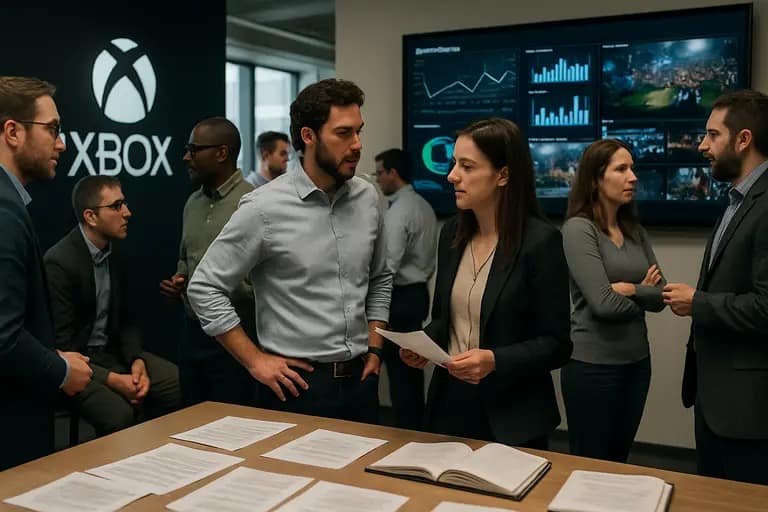
Microsoft’s July 2026 layoffs showed that cost pressure was not limited to smaller studios or single-game failures. The Associated Press reported on July 6, 2026, that Microsoft cut 4,800 jobs, about 2.1% of its global workforce, including many at Xbox, as part of a gaming division reset reported by AP.
For players, layoffs do not always translate into an immediate change in a game they already own. Servers may remain online, updates may continue, and roadmaps may still be announced. The risk is more indirect. Fewer people can mean tighter support windows, slower patch response, reduced community management, or fewer experimental releases. The research does not provide project-by-project effects, so it would be wrong to claim specific cancellations from these notes alone.
Still, workforce cuts at a platform holder matter because Xbox sits across hardware, subscription, publishing, and studio operations. A reset in that kind of structure can affect how projects are greenlit and how services are priced. If cost pressure rises across both software and hardware, companies may try to recover value through subscriptions, premium editions, store fees, licensing, or in-game spending.
That does not make every monetization move anti-player. Paid expansions can fund meaningful content. Cosmetic stores can support long-running games without splitting matchmaking. Subscriptions can offer value for players who use them often. The concern is balance: players need clear prices, fair progression, and confidence that a purchase will be supported after launch.
What Players Should Watch In The Game Monetization Crisis
Practical Signals For Players
A measured reading of the Game Monetization Crisis starts with separating evidence from assumption. The evidence in this research set shows Roblox dealing with payer growth and lower-monetizing engagement shifts, while Microsoft cut thousands of jobs including many tied to Xbox. It does not prove that every publisher will raise prices, reduce content, or push heavier microtransactions on the same schedule.
Players can still watch for practical signals before spending:
- Monetization clarity: Check whether a game explains paid currency, premium passes, bundles, and refund limits before purchase.
- Progression pressure: Be wary when core unlocks feel slow unless paid boosts or premium tiers are used.
- Support evidence: Look for dated patch notes, clear roadmaps, and consistent communication rather than broad promises.
- Audience targeting: Watch whether updates appear designed mainly for high-spending groups while casual players get less value.
The safest player stance is not to reject every live-service model or every paid add-on. It is to judge each game by transparency, fairness, and delivery after release. Rising costs are real in the research provided, but cost pressure does not remove the need for publishers to earn trust.
The Game Monetization Crisis will likely keep showing up in less obvious ways: discovery changes, reward pacing, subscription bundles, and staffing decisions. Players do not need corporate budget sheets to respond well. They need to compare the asking price with the actual play value, wait for post-launch evidence when unsure, and avoid spending under artificial urgency.