
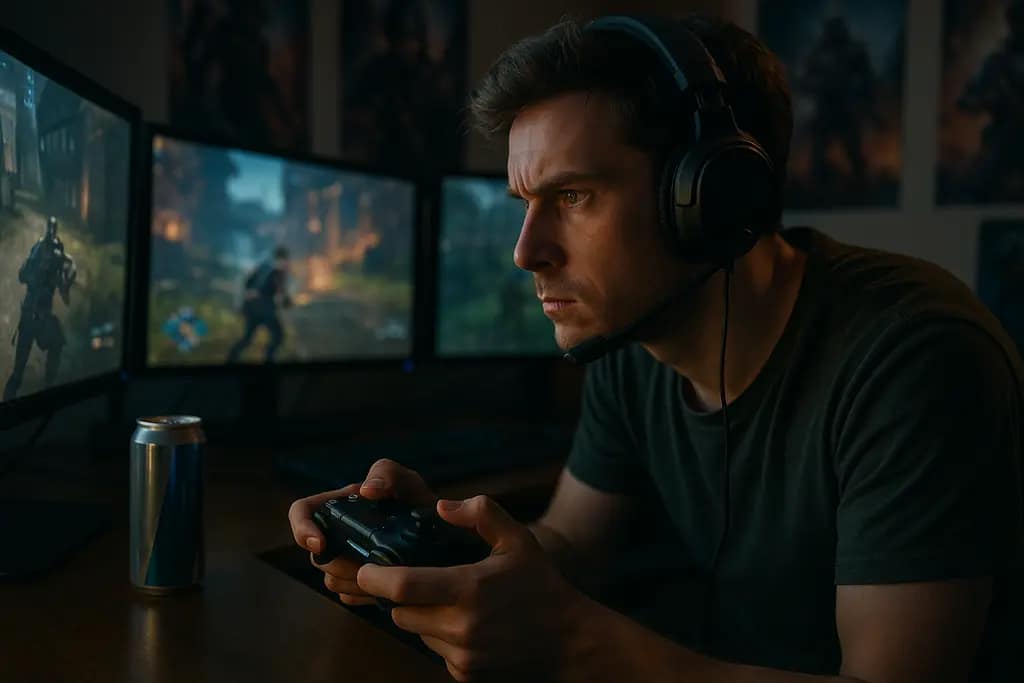

The Bodycam store shutdown is a notable move because it reverses the usual live-service order: sell cosmetics first, tighten the game later. On August 31, 2026, Reissad Studio temporarily disabled Bodycam’s in-game store as part of an interface overhaul, saying the store should be “an addition… not the priority,” and confirmed that the September 2, 2026 Locked & Loaded update would not include real-money purchases, as Insider Gaming reported.
That framing matters for players who have watched many multiplayer shooters tie identity, progression, and seasonal attention to storefront updates. Bodycam is not removing the idea of customization from the game, based on the available research. The point is narrower: Reissad Studio has paused the commercial layer while it works on interface and core systems. That is a consumer-friendly signal, but it is not a finished verdict on the update itself.
The timing also raises expectations. Locked & Loaded, listed as version v0.8 in the research notes, is scheduled for September 2, 2026. The update has been described as a major reset for the game’s systems, including mechanics, maps, UI, progression, and customization. Because those claims are tied to pre-launch messaging and test access rather than a final public build, players should treat them as promises to be checked once the update is live.
Why The Bodycam store shutdown Matters
Bodycam store shutdown And Player Trust
In multiplayer games, monetization is rarely judged only by price. Players also judge timing. A store that appears before performance, progression, matchmaking, or content depth is where suspicion starts. The Bodycam store shutdown therefore speaks to trust more than cosmetics. Reissad Studio is telling players that the store should sit behind the game experience, not in front of it.
That does not mean the decision is risk-free for the studio. Cosmetic stores can help fund continued work, especially for smaller teams maintaining an online shooter. Pausing the store removes or delays one possible revenue path. From a player perspective, though, the short-term trade is clear: fewer real-money prompts while the developer works on the game’s technical and usability base.
Why “Temporary” Still Matters
The word temporary should not be ignored. This is not a permanent rejection of monetization, and players should not read it as one. Reissad Studio’s stated position is that the store is not the priority right now. That leaves room for the store to return once the interface overhaul and update pipeline are in better shape.
That is a reasonable position if the future store is limited, clear, and separated from power. The available research does not show real-money purchases arriving with Locked & Loaded. It also does not give enough detail to judge future pricing, item structure, or whether any later store design could pressure players. Consumer caution still applies, especially for younger players and households that want to avoid surprise spending.
What Changed Before Locked & Loaded
The Playtest Reset Context
A public playtest for Locked & Loaded ran from August 29 through August 31, 2026. During that test, weapons, attachments, and customization options were made available so testers could try the planned systems freely, with progress set to be reset before the full update went live. The game’s Steam Community page also carried broader update context, including the developer’s decision to defer the planned Spring Major Update so it could rebuild core technical foundations rather than simply add more content.
The reset is worth spelling out because test access can distort expectations. A test where everything is open is useful for feedback, but it is not necessarily the final pacing of progression. Players who enjoyed the test should wait to see how the release build handles unlock speed, friction, and customization access. Those details will shape whether the game feels fair after v0.8 lands.
Systems Before Storefront
The research notes describe Locked & Loaded as an update focused on mechanics, UI, progression, customization, maps, quality-of-life work, and optimization. That list is broad, and broad updates can be hard to judge on patch day. A new menu is visible immediately. Better technical foundations are harder to measure without several sessions across different hardware and match conditions.
Seen this way, the Bodycam store shutdown is less a victory lap and more a checkpoint. It gives Reissad Studio a cleaner stage for v0.8. If players log in on September 2, 2026 and find clearer menus, more stable performance, and a progression structure that makes sense, the store pause will look like part of a disciplined reset. If the update struggles, the absence of real-money purchases will still be welcome, but it will not solve the deeper retention problem by itself.
Community Response And Retention Questions
Positive Signals From A Monetization Pause
The community reaction described in the research notes was generally receptive to the decision to de-prioritize monetization. That response is not surprising. Shooter players are often willing to accept paid cosmetics later if the core loop feels sharp, readable, and stable first. For Bodycam, a game built around visual immersion and tactical tension, the gap between presentation and long-term depth has been part of the discussion around its future.
There is also a wider market lesson here. Players are not always against stores. They are against stores that appear to receive more care than the game they sit inside. Reissad Studio’s statement works because it names that concern directly. It does not ask players to trust a complicated economy. It says, in plain terms, that gameplay has to lead.
Unanswered Questions After The Pause
The concerns in the research notes also cut the other way. Some players still raised questions about long-term retention, limited content, optimization, and whether the game’s visual style can support enough depth over time. Those are not minor issues. A shooter can earn goodwill with a monetization pause and still lose players if repeat sessions feel thin or unstable.
For readers tracking broader PC gaming updates and player-facing service models across related coverage, the Game Cloud Network provides insights into similar market and release stories. Bodycam’s case fits a larger pattern: players are asking studios to earn attention through fixes, pacing, and fair systems before asking for more money.
The next useful test will be practical rather than rhetorical. Are menus easier to read? Does progression make sense after the test reset? Do customization choices feel expressive without becoming spending pressure? Does performance improve enough for players who were waiting on optimization? Those answers will matter more than any single statement about priorities.
Bodycam store shutdown Takeaways
The Bodycam store shutdown does not prove that Bodycam’s update strategy will work, but it does remove one common source of friction before a major patch. For players, that is the right direction. A store can wait. A shooter’s feel, stability, readability, and progression structure cannot.
Reissad Studio has made a clear public choice: no real-money purchases in Locked & Loaded and a temporary store disable tied to the interface overhaul. That choice should be credited without overstating it. The stronger consumer read is cautious optimism. The studio has reduced monetization pressure at a useful moment, but the September 2, 2026 release still has to show that the core game is stronger after the rebuild.
If Locked & Loaded improves the play experience, the store pause may become a useful example of a developer putting player trust before short-term sales. If it falls short, the decision will still be preferable to launching a store beside unresolved issues, but it will not be enough on its own. The real measure is whether Bodycam feels better to play after v0.8, not just whether it asks for less money on day one.