

Google Play Billing moved from a mostly closed payment route toward a model where alternative payment systems are harder to ignore. For game developers, the change is not just a legal headline. It affects live-service pricing, battle pass margins, direct-to-player offers, store discovery, and how much friction a studio is willing to place between a player and a purchase.
The clearest public marker came on March 4, 2026, when Google settled its antitrust dispute with Epic Games and agreed to allow alternative payment systems while reducing its commission to 20% on most in-app purchases, with an extra 5% billing fee if developers used Google’s own billing system, according to TechCrunch’s report. A separate multistate settlement, approved on May 4, 2026, required Google for at least 5 years to permit alternate payment systems, external pricing communication, and competing-store listings without penalty, according to the Wisconsin Department of Justice.
Those facts support a cautious reading: developers gained more room to test payment paths, but not every studio will see the same benefit. A large free-to-play game with a dedicated commerce team can redesign offers, test web checkout, and measure conversion loss. A smaller studio may keep the default flow because lost purchases, support tickets, or compliance work can erase the fee savings.
Google Play Billing And The Fee Reset
Why Google Play Billing Changed
The settlement with Epic matters because mobile games depend heavily on repeat purchases. Cosmetic bundles, season passes, stamina packs, card packs, and subscription-like memberships all live inside a store policy system. A commission cut from the prior store model changes the math on every dollar spent, but the practical value depends on whether players still complete the purchase when asked to use another checkout method.
Before the change, Google Play Billing functioned as the default purchase layer for most Android in-app spending. Developers could build monetization plans around a predictable store cut, predictable refund path, and familiar player checkout. That predictability had value. It reduced operational choices, but it also reduced uncertainty for players who did not want to enter payment details elsewhere.
What The 20% Cap Means For Game Teams
A 20% commission on most in-app purchases is a meaningful difference for studios with strong Android revenue. In simple terms, a lower platform fee can leave more money for content production, user acquisition, community management, or longer live-ops support. Still, the number should not be treated as a guaranteed margin gain. If a studio shifts players away from the store checkout and conversion falls, the saved fee may be partly offset by fewer completed purchases.
For game teams, Google Play Billing now sits closer to a strategic choice than a fixed toll. Teams need to compare the store fee, the billing fee, the payment provider cost, fraud handling, tax support, refund handling, customer support load, and the player trust hit that can come with moving a user out of a familiar purchase path.
Alternative Payments And Game Margins
Revenue Gains Are Not Automatic
The most tempting read is that alternative payment systems simply increase developer revenue. That is possible, but it is not automatic. Games are sensitive to small changes in purchase flow. A player may buy a small bundle inside a familiar mobile checkout but abandon the same purchase if asked to move to a browser, sign in again, or re-enter card information.
This matters most for mid-spend and low-spend players. A whale-heavy economy may justify separate web offers or loyalty programs because the average order is high enough to absorb friction. A casual puzzle game, idle RPG, or licensed title with many small purchases may care more about speed and trust than fee optimization. The right answer can vary by genre, audience age, region, and the studio’s ability to support payment issues.
Player Trust Is Part Of The Cost
Consumer awareness should stay central here. Developers can now communicate alternative prices more freely under the settlement terms, but clear disclosure is the difference between a fair offer and a confusing purchase route. Players should know where they are paying, who handles refunds, whether stored payment details are reused, and whether prices differ because of platform fees.
Studios that handle this well may build goodwill by showing the player a lower price or a better-value pack outside the default store route. Studios that handle it poorly may train players to distrust purchase prompts. In free-to-play games, trust is not a soft metric. It affects whether players buy the next pass, recommend the game, or return after a disputed charge.
Distribution Choice And Community Impact
Competing Stores Change Discovery
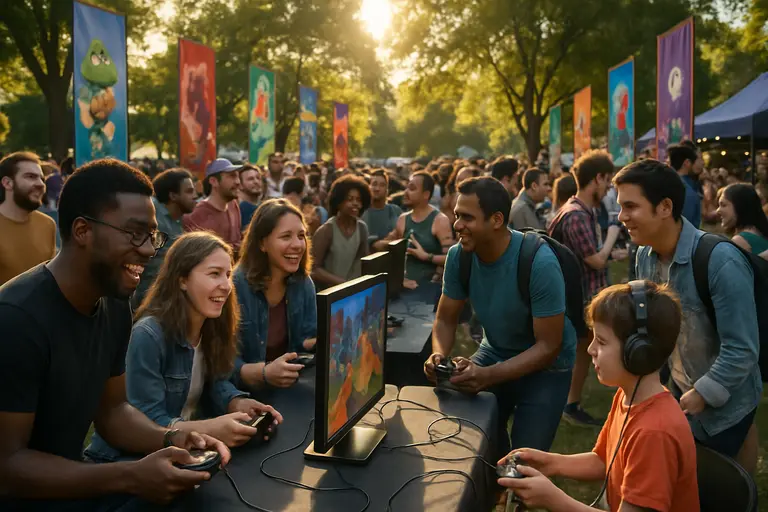
The multistate settlement’s requirement that Google allow app listing in competing stores without penalty could matter for game discovery, though the effect is uncertain. A competing Android store can give a developer a second shelf, different merchandising, or a stronger direct relationship with a community. But discovery is only useful if the store brings real users, handles updates reliably, and earns player confidence.
For mobile game communities, this may create split behavior. Some players will stay with the default Play Store flow because updates, refunds, and subscriptions feel easier there. Others may follow a developer to a different store or web checkout if the value is clear enough. The strongest candidates are likely games with active Discord communities, creator-driven audiences, or cross-platform accounts where players already understand logging in outside the store.
Hardware, Performance, And Store Choice
Store policy may sound separate from play quality, but players judge the whole experience. If a third-party store delays patches or makes updates confusing, the monetization benefit may not matter. A live-service game that ships frequent balance changes needs payment choice to fit patch cadence, device support, and community communication. Those interested in tracking gaming gear across related topics may explore Cooler Master Gaming for more comprehensive gaming coverage. However, payment policy remains a developer and player trust issue first.
Google Play Billing Developer Takeaways
Practical Moves For Studios
The safest read on Google Play Billing after these settlements is that it gives developers more options, not a single best path. A studio should treat the new payment model like a live-ops experiment. Test a limited offer. Measure completion rate. Track support tickets. Compare refunded purchases. Watch whether players complain about unclear pricing or account linking. Then scale only if the data supports the change.
- For large free-to-play studios: alternative checkout may be worth structured testing, especially for high-value bundles and account-based web stores.
- For small premium or indie teams: the default store flow may still be simpler if payment support would drain production time.
- For player-facing communication: price differences should be explained plainly, with refund and account details visible before purchase.
- For live-service teams: any new store or payment route should be checked against update timing, support capacity, and community response.
The developer impact is real, but uneven. The 20% commission figure and alternate-payment rights create room for better margins, yet studios still have to earn the purchase through clarity and trust. For players, the best outcome would be lower prices or better-value offers without confusing checkout paths. For developers, the winning approach is likely measured experimentation rather than a fast switch away from the familiar store flow.