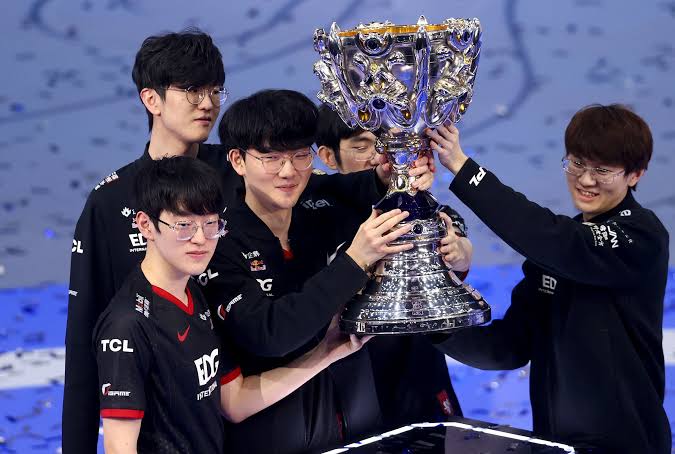
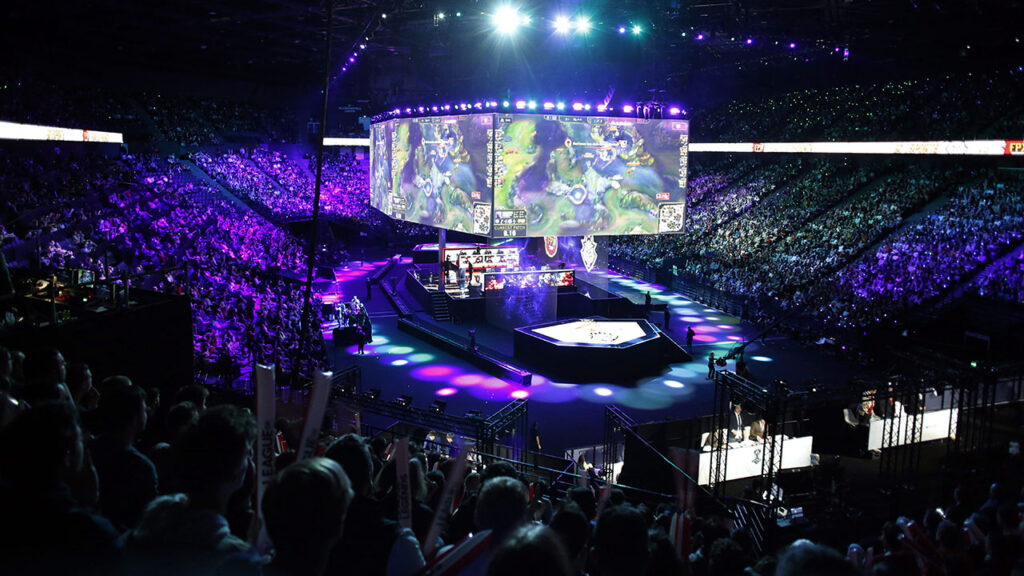

Riot Games brings the 2026 League of Legends Worlds back to North America this fall. Starting October 15, nineteen international teams will battle across three major United States cities for a chance to lift the Summoner’s Cup. The month-long tournament introduces a massive scheduling shift, moving from Los Angeles to Texas, and capping off the finals in New York.
Fans tracking regional qualifiers and early tournament odds are already analyzing the bracket structures. Before placing any tournament wagers on the early Swiss Stage matches, checking local regulations to see if is online betting legal in Georgia and other states helps viewers plan their outright winner bets safely. The odds fluctuate constantly as teams land in the host cities and begin their initial scrims.
The Three-City American Tour
The tournament splits the competition phases into distinct geographic zones. The Play-In Stage starts inside the Riot Games Arena in Los Angeles. Only four teams compete here, fighting through a double-elimination bracket for a single ticket to the main event.
The surviving squad joins fifteen other pre-qualified rosters at the Credit Union of Texas Event Center in Allen, Texas. This venue hosts the grueling Swiss Stage and the first two rounds of the Knockout Stage. The constant travel adds physical fatigue to an already demanding mental schedule. Teams must adapt to changing practice rooms and time zones mid-tournament. Check the official LoL Esports broadcast schedule to track match times for your local region.
Format Adjustments and Fearless Draft
Riot locked in the Fearless Draft for all Best-of-5 matches. This system bans any champion played in a previous game of the series. Coaches can no longer rely on single-champion specialists to carry a five-game marathon. Teams need deep champion pools and flexible draft strategies to survive the Knockout Stage.
Let’s look at the regional seed distribution for the main event:
| Region | Seed Allocation | Top Qualified Organization |
| LCK (Korea) | 4 Teams | T1 |
| LPL (China) | 4 Teams | Bilibili Gaming |
| LEC (Europe) | 3 Teams | G2 Esports |
| LCS (North America) | 3 Teams | Team Liquid |
| LCP (Asia-Pacific) | 3 Teams | PSG Talon |
| CBLOL (Brazil) | 2 Teams | LOUD |
The Swiss Stage format forces teams to secure three wins before suffering three losses. The system randomly pairs teams with identical records after each round. A lucky draw buys an underperforming squad extra time to fix their draft read, but the top-tier Korean and Chinese teams usually crush the lower seeds early.
The Barclays Center Grand Final
The final two teams standing will fly to Brooklyn for the Grand Final on November 14. The Barclays Center holds 19,000 screaming fans. Winning a World Championship inside an NBA arena provides unmatched prestige for an esports organization.
T1 aims for a historic four-peat after dominating the mid-2020s. Faker and his roster carry immense expectations into this tournament. Domestic challengers like Gen.G and Hanwha Life Esports want to end the T1 dynasty on American soil. The LPL squads are bringing terrifying aggressive playstyles designed to crack the defensive macro-game of the Korean favorites.
Tracking the latest roster swaps and coaching decisions leading up to October requires constant attention. Keep up with the changing meta and regional updates in our competitive gaming news section. The team that adapts the fastest to the North American server environment will likely take home the trophy.